


Menopause and Your Skin: How Hormone Changes Affect Dermatology Conditions
- Nov 23, 2025
- 3 min read
Menopause is a natural stage of life, but the changes it brings can have a significant impact on your skin, hair, and nails. Many women notice that their skin behaves differently during the perimenopause and menopause years – becoming drier, more sensitive, or more prone to certain conditions. At MedHub, our dermatology and menopause clinicians work closely together to support women through this transition with evidence-based care.
Below, we explain how menopause influences skin health, which dermatology conditions commonly appear or worsen, and how supportive treatments can help.


Why Does Menopause Affect the Skin?
As oestrogen levels decline in the years leading up to menopause, a number of key changes occur:
Reduced collagen production – leading to thinning of the skin and reduced elasticity.
Decreased oil (sebum) production – contributing to dryness and sensitivity.
Slower wound healing – meaning skin may take longer to recover from irritation or injury.
Reduced skin barrier function – allowing increased transepidermal water loss and a higher risk of dermatitis.
Changes in pigmentation – influencing conditions like melasma.
These biological changes are well recognised in guidelines from the British Association of Dermatologists (BAD), Primary Care Dermatology Society (PCDS) and NICE Menopause Guidance.
Common Skin Conditions During Menopause
1. Dry Skin (Xerosis) and Itching
One of the most common menopausal complaints is dry, tight, or itchy skin. Reduced oil production and a weakened skin barrier can lead to irritation, eczema flare-ups, and general discomfort.
Supportive treatments may include:
Emollients and ceramide-rich moisturisers
Soap-free cleansers
Topical steroids for eczema flare-ups
Lifestyle measures such as avoiding long hot showers and using a humidifier in winter
2. Menopausal Acne
Some women experience acne for the first time in mid-life, or see flare-ups of previously mild acne. Hormonal fluctuations can increase inflammation and oil production around the jawline and lower face.
Common treatment options:
Prescription skincare (tretinoin, azelaic acid, topical antibiotics)
Oral medications when appropriate
Chemical peels or in-clinic medical facials
Review of skincare products to avoid comedogenic ingredients


3. Rosacea
Flushing, redness, and sensitivity often worsen around perimenopause due to hot flushes and temperature changes.
Treatment approaches may include:
Trigger management (spicy foods, alcohol, environmental heat)
Topical treatments such as ivermectin or azelaic acid
Laser or light-based therapy where appropriate
Supportive barrier-repair skincare
4. Pigmentation Changes
Melasma and sun-related pigmentation can become more noticeable as hormones fluctuate. Years of cumulative sun exposure also contribute.
Management may include:
Prescription creams such as hydroquinone-based regimes or non-hydroquinone alternatives
Sun protection advice
Chemical peels or medical skincare such as Obagi or ZO
Consideration of Hormone Replacement Therapy (HRT) if pigmentation is linked to severe hormonal change
5. Hair and Scalp Changes
Falling oestrogen levels can cause hair thinning, increased shedding, and changes in hair texture. Some women also develop more fragile or dry scalp skin.
Evidence-based interventions can include:
Blood tests to rule out thyroid, iron deficiency or vitamin abnormalities
Topical minoxidil
PRP (platelet-rich plasma) where suitable
Scalp-friendly haircare routines
HRT consideration through the menopause clinic


6. Delayed Healing and Skin Fragility
Skin can bruise more easily, recover more slowly, and feel delicate. Conditions such as eczema, psoriasis, or lichen sclerosus may flare or become more symptomatic.
Our dermatology team can assess these conditions and recommend tailored treatment plans.
How HRT Can Support Skin Health
While menopausal symptoms are managed holistically, Hormone Replacement Therapy (HRT) can also have positive effects on the skin. Oestrogen therapy may:
Improve skin hydration
Reduce fine lines and skin thinning
Support collagen levels
Reduce the intensity of flushing and rosacea triggers
HRT is not suitable for everyone, but your clinician can discuss risks, benefits, and alternatives.
When to See a Clinician
You should seek medical advice if you notice:
New or rapidly worsening skin conditions
Persistent itching or irritation
Hair loss that is distressing or unusual for you
Flushing or redness affecting confidence or comfort
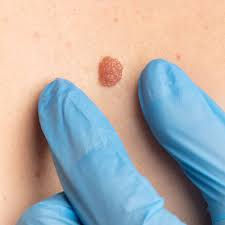
Any skin lesion that changes, bleeds, or doesn’t heal


At MedHub, our private GP, menopause and dermatology teams work together to create a joined-up treatment plan. You do not need a referral to access our clinicians.
How MedHub Can Help
Our clinicians can offer:
Dermatology assessments by the Dermatology Nurse, GP wSI Dermatology or Consultant Dermatologist.
Menopause consultations
Blood tests for hormonal, nutritional, and thyroid health
Prescription skincare
Minor skin surgery
Personalised treatment plans
Multidisciplinary review when required
Whether you are experiencing acne, rosacea, hair loss, dry skin, or complex menopausal symptoms, we provide safe, supportive, evidence-based care.
Book an Appointment
If you’re struggling with skin changes during menopause, you don’t have to manage them alone.
Contact MedHub on 01638 491074 or visit our website to arrange an appointment with one of our clinicians.


Comments